Modern Watchmaking Technology and Traditional Skills Combined
The world of watchmaking is a fascinating blend of art and science, where traditional craftsmanship meets cutting-edge technology. As we delve into the evolution of this industry, we will explore how modern innovations enhance the age-old skills of watchmakers, creating timepieces that are not only functional but also masterpieces of design and engineering.

The Evolution of Watchmaking
A Brief History
Watchmaking dates back to the 16th century, with the first portable timepieces emerging in Europe. Initially, these watches were simple mechanical devices, but as technology advanced, so did the complexity and functionality of watches. The introduction of quartz movements in the 1970s revolutionized the industry, making watches more accurate and affordable.
The Resurgence of Mechanical Watches
Despite the rise of quartz technology, there has been a significant resurgence in the popularity of mechanical watches. Enthusiasts appreciate the craftsmanship and artistry involved in creating these intricate timepieces. Brands like Rolex, Patek Philippe, and Omega have maintained their prestige by combining traditional skills with modern technology.
The Role of Technology in Modern Watchmaking
Precision Engineering
Modern watchmaking relies heavily on precision engineering. Computer-aided design (CAD) software allows watchmakers to create intricate designs with unparalleled accuracy. This technology enables the production of components that fit together perfectly, reducing the likelihood of mechanical failure.
Advanced Materials
The use of advanced materials has also transformed watchmaking. Traditional metals like stainless steel and gold are now often combined with innovative materials such as ceramics, carbon fiber, and titanium. These materials not only enhance the durability of watches but also contribute to their aesthetic appeal.
Automation and Robotics
While traditional watchmaking is a labor-intensive process, automation and robotics have found their place in the industry. Automated machinery can perform repetitive tasks with high precision, allowing skilled artisans to focus on the more intricate aspects of watch assembly. This combination of human skill and machine efficiency leads to higher quality products.
Traditional Skills: The Heart of Watchmaking
Craftsmanship and Artistry
Despite the advancements in technology, the heart of watchmaking lies in the craftsmanship and artistry of skilled watchmakers. These artisans possess a deep understanding of mechanics and aesthetics, allowing them to create timepieces that are not only functional but also beautiful.
Hand Finishing Techniques
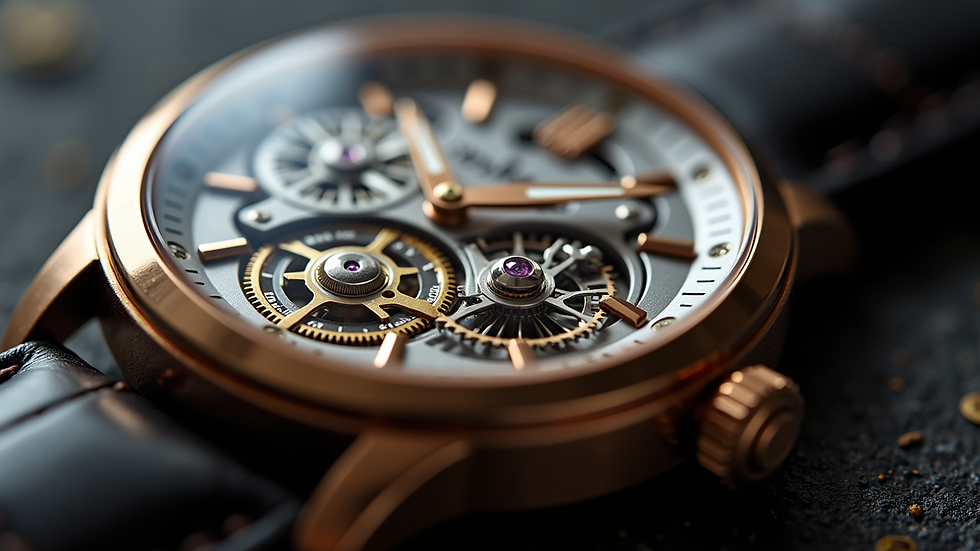
Many luxury watch brands still employ hand finishing techniques, which add a unique touch to each timepiece. Techniques such as polishing, engraving, and skeletonization require years of training and experience. This attention to detail is what sets high-end watches apart from mass-produced alternatives.
The Importance of Training
Training the next generation of watchmakers is crucial for preserving traditional skills. Institutions like the Swiss Watchmaking School and the British School of Watchmaking offer programs that combine theoretical knowledge with practical experience. These programs ensure that the art of watchmaking continues to thrive in the face of modern challenges.
The Perfect Balance: Merging Technology and Tradition
Innovative Designs
The fusion of technology and traditional skills has led to innovative designs that push the boundaries of what is possible in watchmaking. Brands like TAG Heuer and Seiko have introduced smartwatches that retain the aesthetic appeal of traditional timepieces while incorporating modern functionalities such as fitness tracking and notifications.
Sustainability in Watchmaking
As the world becomes more environmentally conscious, the watch industry is also adapting. Brands are exploring sustainable practices, such as using recycled materials and reducing waste in production. This shift not only appeals to eco-conscious consumers but also reflects a commitment to responsible craftsmanship.
Customization and Personalization
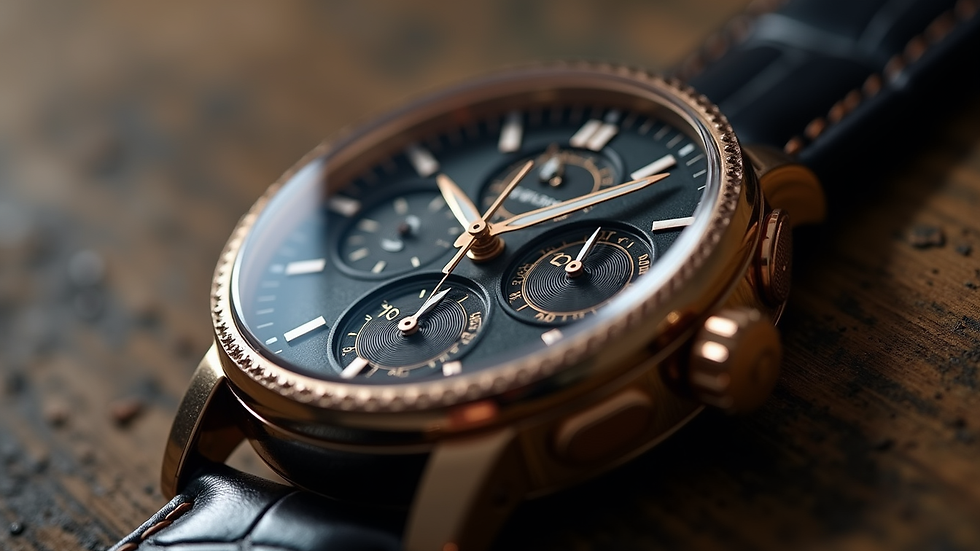
Modern technology has made it easier for consumers to customize their watches. Brands now offer options for personalized engravings, interchangeable straps, and unique dials. This level of customization allows individuals to express their personal style while enjoying the benefits of modern technology.
The Future of Watchmaking
Embracing Change
The future of watchmaking lies in embracing change while respecting tradition. As technology continues to evolve, watchmakers must adapt to new trends and consumer demands. This adaptability will ensure that the industry remains relevant and continues to produce exceptional timepieces.
The Role of Digital Platforms
Digital platforms are playing an increasingly important role in the watch industry. Online marketplaces and social media allow brands to reach a global audience, while also providing consumers with access to a wealth of information about watchmaking. This transparency fosters a deeper appreciation for the craftsmanship involved in creating each timepiece.
The Collector's Market
The collector's market for watches is thriving, with enthusiasts willing to pay top dollar for rare and unique pieces. This trend highlights the enduring value of traditional craftsmanship, even in a world dominated by technology. Collectors often seek out watches that showcase a blend of modern innovation and classic design.
Conclusion
The world of watchmaking is a testament to the successful integration of modern technology and traditional skills. As we look to the future, it is clear that this industry will continue to evolve, offering consumers timepieces that are not only functional but also works of art. By embracing innovation while honoring the craftsmanship of the past, watchmakers can create a legacy that will endure for generations to come.
In this ever-changing landscape, both enthusiasts and newcomers to the world of horology can appreciate the beauty and complexity of modern watches. Whether you are a collector or simply someone who appreciates fine craftsmanship, the journey of watchmaking is one worth exploring.
留言